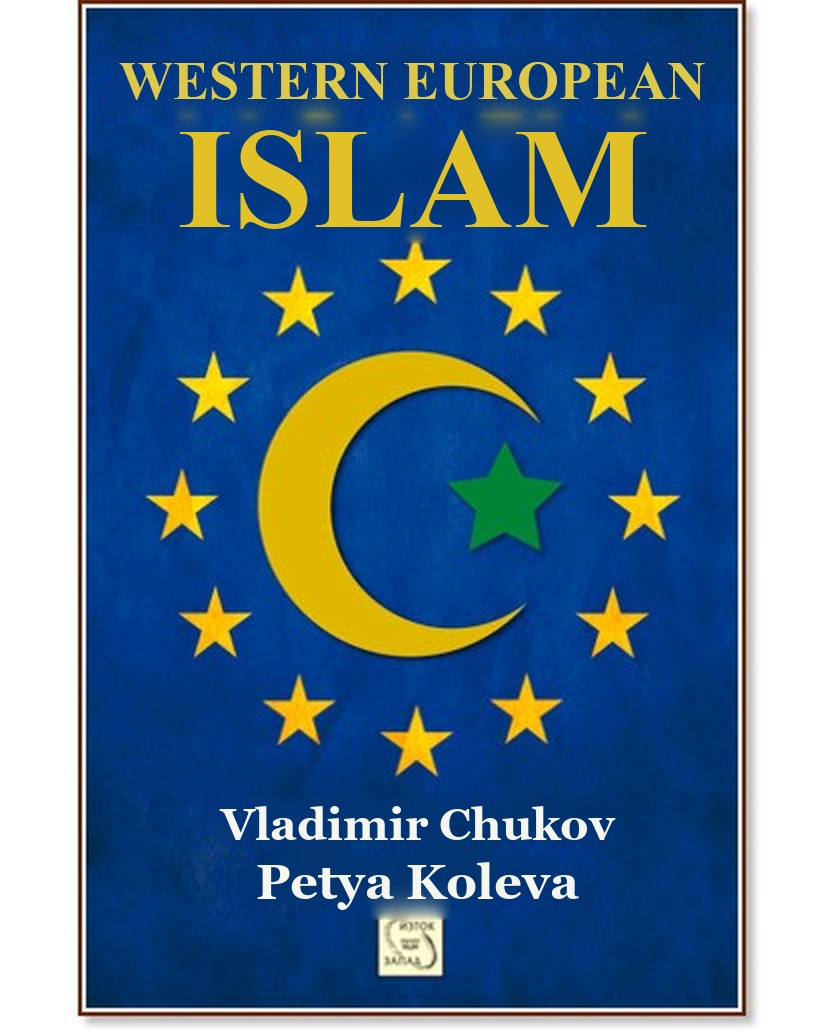
Western European Islam
Vladimir Chukov, Petya Koleva
The emergence of Muslim minorities in the countries of Western Europe is the result of constant immigration of varying intensity. Their origin is exogenous, and some of them are already second- and even third-generation residents. All of them, however, know and remember their "motherland", with which they enter into interesting emotional relationships. To a large extent, the nature of these ties, and above all the attitude towards the "motherland", influences how well the new Europeans integrate. It is not rare for problematic integration processes to give rise to distrust of the state, accumulated inner anger and an outburst of discontent that grows into violence, even into deliberate terrorist acts.
The book is addressed to a wide readership, because it lifts the curtain on the activities of many state institutions and social factors in Europe that bear on the complex matter of migration, minority integration, human rights and religious extremism. This analysis is of great importance for perceiving and outlining the future of the continent, and in particular of the European Union.
Such an analysis is necessary for Bulgaria as a corridor country for the mass immigration of exogenous Muslims. A number of new statistical data show that our country is increasingly becoming a final destination of the Muslim immigration flow. This trend will strengthen after the revolutions in the Arab countries at the beginning of the year.
| Publisher | Iztok-Zapad Publishing House |
|---|---|
| Translation | Translated from the Bulgarian |